Hearing loss has a way of hiding in plain sight. It doesn’t usually arrive as a sudden, obvious shift – it tends to show up in small, easy-to-explain-away moments that accumulate over time before the bigger picture becomes clear. Catching those early signs matters, because the sooner you recognize what’s happening, the more options you have. And on the options front, things have genuinely improved. The ric hearing aid price for a quality over-the-counter device is a fraction of what traditional hearing aids have historically cost, and the range of OTC hearing aids now available means that taking action doesn’t have to mean a long, expensive process.
That said, knowing what to actually look for is the first step. A lot of people spend years noticing the signs without connecting them to their hearing.
You’re Asking People to Repeat Themselves More Often
This is probably the most universal early sign, and also the one people are most likely to explain away. “He mumbles.” “She talks too quietly.” “It’s just loud in here.” Sometimes those things are true. But if it’s happening regularly, across different people and different environments, the common thread is more likely to be your hearing than everyone else’s diction.
Pay attention to whether this happens more with certain types of voices. High-pitched sounds are typically the first to go in age-related hearing loss, which means women’s and children’s voices often become harder to follow before deeper voices do.
Conversations in Noise Have Gotten Much Harder
Struggling a little in very noisy environments is normal for most people. But if you’ve started avoiding restaurants, skipping parties, or dreading family gatherings because following conversation has become genuinely exhausting, that’s worth paying attention to.
The ability to separate speech from background noise is one of the first things to degrade with hearing loss. The brain normally does a lot of work to filter out irrelevant sound and focus on the voice you’re trying to hear. When hearing starts to change, that process becomes harder and more draining — which is why people with untreated hearing loss often describe feeling unusually tired after social events.
The TV Volume Has Crept Up
This one tends to get noticed by other people before the person with hearing loss notices it themselves. If family members have started commenting on how loud the TV is, or if you’ve found yourself turning on subtitles for things you never needed them for before, these are worth taking seriously as data points.
The same applies to phone calls. If you consistently struggle to follow conversations on the phone — especially without visual cues like lip movement and facial expressions to help — that’s a sign your hearing may be working harder than it should be.
You’re Missing Parts of Conversations
Not mishearing words entirely, but catching most of a sentence and losing a word here and there. This often leads to nodding along and hoping context fills in the gaps, which works until it doesn’t. A lot of people describe this as the stage where they started to feel less confident in social and professional situations — the fear of responding to something they didn’t fully catch correctly is a real source of stress.
If you find yourself laughing when others laugh but not always sure why, or agreeing to things you’re not certain you heard correctly, these are signs that something is being lost in translation.
Read Also: Best Video Face Swap and AI Talking Photo Tools (2026)
Then There’s Tinnitus
Ringing, buzzing, or hissing in the ears – what’s known as tinnitus – isn’t hearing loss itself, but it’s closely associated with it. A lot of people experience tinnitus as an early warning sign that their auditory system is under some kind of stress. If you’ve noticed a persistent sound in your ears that isn’t coming from outside, it’s a good reason to take stock of your hearing more broadly.
Occasional tinnitus after loud noise exposure is common and usually temporary. Persistent tinnitus that shows up in quiet environments is more worth investigating.
What to Do With These Signs
None of these individually means you definitely have significant hearing loss. But several of them together, especially if they’ve been building over time, is a reasonable prompt to take action.
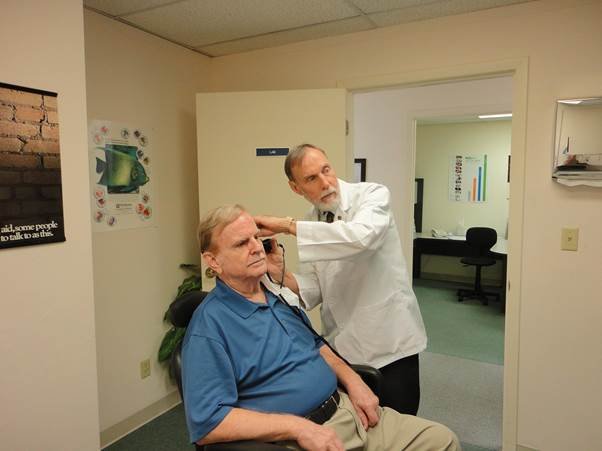
A hearing test is the obvious next step — many audiologists offer free or low-cost initial screenings, and there are also legitimate online tests that can give you a rough baseline. From there, if mild to moderate loss is confirmed, the current OTC market has made it easier than ever to find effective support without needing a prescription or a specialist referral.
The main thing is not to let the slow, gradual nature of early hearing loss work against you. It’s designed to be easy to ignore. Recognizing the signs early, and taking them seriously, puts you in a much better position than waiting until the changes become impossible to miss.