Athletes push their bodies to the limit, monitoring nutrition, sleep, and training intensity with precision. Yet one critical system often gets overlooked until problems become severe: vision. Your eyes govern depth perception, reaction time, hand-eye coordination, and balance—all fundamental to athletic performance. When vision degrades, even marginally, the effects ripple through every aspect of training and competition.
Research shows that approximately 25% of school-age children have vision problems significant enough to affect learning and physical activity, yet many remain undiagnosed. For adults engaged in regular exercise or competitive sports, uncorrected vision issues create compensatory movement patterns that increase injury risk and limit performance gains. Understanding how vision integrates with physical training helps athletes make informed decisions about eye health as part of their overall wellness strategy.
The Connection Between Vision and Movement Control
Vision provides roughly 80% of the sensory information your brain uses to control movement. When you track a ball, judge distance to an obstacle, or maintain balance during a single-leg exercise, your visual system works in milliseconds to process spatial data and coordinate muscle responses. This integration happens largely outside conscious awareness, which means subtle vision problems often manifest as unexplained clumsiness, slower reaction times, or difficulty with skills that previously felt automatic.
Refractive errors like myopia, hyperopia, and astigmatism create blurred images that force your brain to work harder interpreting visual signals. This cognitive load reduces processing speed for other tasks. Athletes with uncorrected refractive errors frequently report eye strain, headaches during training, and difficulty sustaining focus during long workouts. Even a small prescription change can affect performance in precision sports like tennis, golf, or shooting.
Binocular vision disorders present a different challenge. When the two eyes fail to work together efficiently, depth perception suffers. This affects any activity requiring accurate distance judgment—catching, throwing, navigating obstacles, or judging speed of approaching objects. Some athletes develop suppression, where the brain ignores input from one eye to avoid double vision, effectively reducing their field of view and eliminating stereoscopic depth cues.
Impact on Training Adaptation and Recovery
Vision problems don’t just hamper immediate performance; they alter how your body adapts to training. When visual input is compromised, your nervous system relies more heavily on proprioception and vestibular input to control movement. This compensation works but creates inefficient movement patterns that increase energy expenditure and muscular load. Over weeks and months, these patterns can lead to overuse injuries, particularly in the lower extremities and spine.
Studies on motor learning demonstrate that visual feedback accelerates skill acquisition. Athletes with clear, comfortable vision learn new movement patterns faster and retain them better than those struggling with visual clarity. This has practical implications for anyone trying to improve technique, whether refining a golf swing, mastering Olympic lifts, or learning complex footwork patterns. Poor vision effectively puts a ceiling on how quickly you can progress.
Recovery monitoring also depends on accurate self-assessment. Athletes who can’t see clearly may miss subtle form breakdowns that signal fatigue, increasing the risk of injury during exhausted states. Visual fatigue itself—common with uncorrected prescriptions or excessive screen time—can mimic symptoms of overtraining, including difficulty concentrating, irritability, and reduced motivation.
Recognizing Vision Issues in Active Individuals
Many adults assume stable vision after adolescence, but eyes continue changing throughout life. Age-related changes begin affecting near vision in the early forties, while conditions like dry eye become more common with increased screen exposure. Athletes may notice performance declining before recognizing it as a vision problem, attributing slower reflexes or coordination issues to aging or reduced fitness instead.
Common signs include frequent squinting during outdoor activities, difficulty tracking fast-moving objects, headaches after training, and inconsistent performance on skills that require precise timing. Some athletes report feeling “off” spatially, misjudging distances more often, or experiencing unusual clumsiness. These symptoms warrant a comprehensive eye examination, not just a basic vision screening.
Digital Eye Strain and Athletic Performance
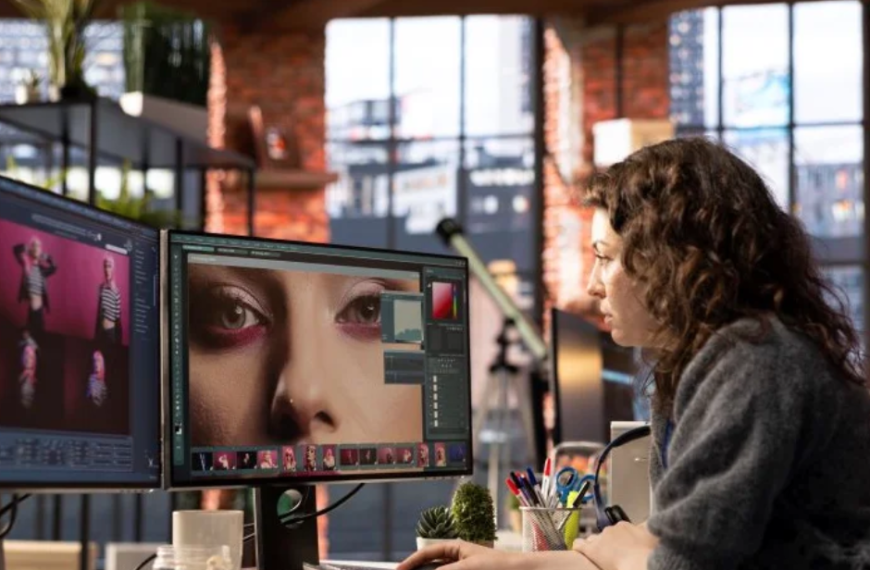
Modern training increasingly involves screens—watching form videos, tracking workout data, or analyzing competition footage. Extended screen time creates a specific pattern of eye strain characterized by reduced blink rate, accommodation fatigue, and dry eye symptoms. This digital eye strain doesn’t resolve immediately when you step away from screens; it can affect visual comfort and performance for hours afterward. Athletes who spend significant time on devices before training may find their visual system fatigued before physical activity even begins.
Medical Services and Comprehensive Eye Care
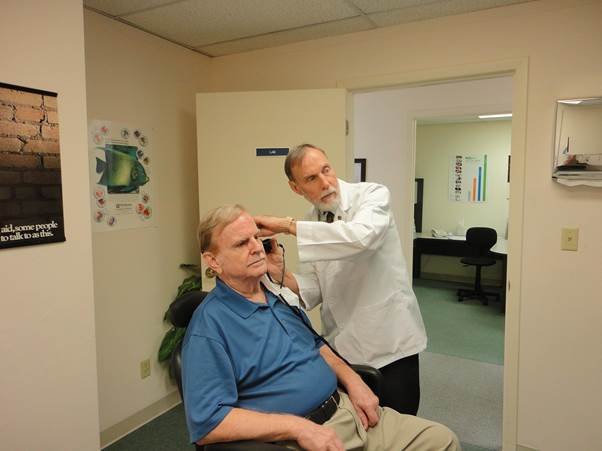
Addressing vision concerns requires specialized medical expertise beyond basic optometry. Comprehensive ophthalmology departments evaluate not just refractive error but also ocular health, binocular vision function, and how visual performance integrates with your specific activities. For athletes in the UAE region seeking thorough evaluation and treatment, facilities offering specialized eye care near me provide access to diagnostic technology and subspecialty expertise that addresses the full spectrum of vision issues affecting active individuals. Advanced imaging, dry eye treatment, and sports vision assessments help identify problems that standard eye exams might miss.
Hospital-based eye care differs from retail vision services in scope and depth. Comprehensive facilities can diagnose and manage medical eye conditions, perform surgery when necessary, and coordinate care with other specialists when vision problems relate to systemic health issues like diabetes or autoimmune disorders. The structure of hospital-based medical services provides integrated pathways between different departments, which proves valuable when vision issues intersect with other health concerns affecting athletic performance.
Protective Measures and Performance Optimization
Beyond correcting existing problems, athletes benefit from protective strategies that preserve eye health long-term. UV exposure during outdoor training damages ocular structures cumulatively over decades, increasing risk for cataracts and macular degeneration. Quality sunglasses with 100% UV protection aren’t optional accessories but essential protective equipment for anyone training outdoors regularly.
Contact lens wearers face specific considerations. Extended wear increases infection risk, particularly in environments with dust, chlorine, or saltwater exposure. Daily disposable lenses reduce contamination risk compared to reusable lenses. Some athletes prefer prescription sports goggles or performance eyewear that stays secure during vigorous movement and provides impact protection for contact sports.
Nutrition supports visual health through mechanisms similar to its effects on overall athletic performance. Antioxidants like lutein and zeaxanthin concentrate in retinal tissue, protecting against oxidative damage from light exposure. Omega-3 fatty acids support tear film quality and reduce dry eye symptoms. While supplements receive significant marketing attention, these nutrients are readily available through diet—leafy greens, colorful vegetables, and fatty fish provide generous amounts.
Parallels With Other Health Interventions
The relationship between vision correction and performance improvement mirrors patterns seen with other medical interventions in athletic populations. Just as addressing underlying metabolic issues can unlock training adaptations that seemed impossible, correcting vision problems often produces immediate and sustained performance gains. Athletes who dismissed vision as a limiting factor sometimes experience dramatic improvements in consistency, accuracy, and confidence after proper correction.
This parallels recent discussions about pharmaceutical interventions in weight management and metabolic health. The conversation around medications like semaglutide has evolved as scientists examine whether initial hypotheses about their mechanisms were complete. Those interested in how medical understanding develops might find value in exploring recent analyses of weight management medications, which illustrate how clinical benefits sometimes precede full mechanistic understanding—a pattern that applies to many medical interventions.
Taking Action on Visual Performance
Athletes typically maintain detailed training logs, tracking volume, intensity, and recovery metrics. Adding basic vision monitoring makes sense within this framework. Note any changes in visual comfort during training, difficulty with skills that require precise visual tracking, or symptoms like headaches and eye strain. These observations provide valuable information for eye care professionals evaluating how vision affects your specific activities.
Comprehensive eye examinations should occur annually for most adults, more frequently for those with existing conditions or significant vision demands. Don’t wait until problems become obvious. Subtle degradation in visual function happens gradually, and your brain adapts remarkably well to declining input, masking problems until they become significant. Regular professional evaluation catches changes early when correction is straightforward.
Vision represents a modifiable factor in the complex equation of athletic performance. Unlike genetics or fundamental body structure, visual function can be measured precisely and corrected effectively. For athletes seeking marginal gains, ensuring optimal visual performance provides a foundation that allows training adaptations to fully express themselves. Clear, comfortable, efficient vision doesn’t guarantee athletic success, but compromised vision almost certainly limits what’s possible.